Last weekend, I attended a four-day retreat at Drala Mountain Center with my Secular Buddhist online community. The theme of the retreat was “Already Whole.”
Each session began with a question:
“What’s missing?”
And together, we would answer:
“Nothing.”
The first night, saying that felt more than a little performative. I understood the idea intellectually, but I’m not sure I believed it. By the time Sunday rolled around, though, I could say it with complete conviction.
On Saturday night, one of my dorm mates asked what I had gotten the most out of the retreat. After thinking for a moment, I told her it was the community—the people, the atmosphere, and the experience of being together. The story-filled meals, the sense of peaceful connection, and the excitement of learning and experiencing things alongside others were feelings that, honestly, were a little foreign to me.
I have been part of a variety of spiritual communities over the last few years: the Secular Buddhism Circle community, the Unitarian Universalist Fellowship of Longview, a Recovery Dharma meditation and addiction-support group, and a Heartfulness Meditation group based in Tyler, to name a few. I am incredibly grateful for all of them. And yet, somewhat paradoxically—and fittingly, given the theme of the retreat—they have all sometimes felt as though something was “missing.” In one setting, it might be vulnerable conversation; in another, in-person connection; in another, a sense of shared journey. Or, simply enough regular participation to create a deeper feeling of community.
At the retreat, many of those pieces seemed to come together at once. For a few days, I was surrounded by people practicing together, sharing stories, sitting in silence, asking difficult questions, and simply spending unhurried time in one another’s presence. That sense of connection became one of the clearest expressions of the retreat’s theme, and also gave me a deeper sense of connection to the larger human community beyond it.
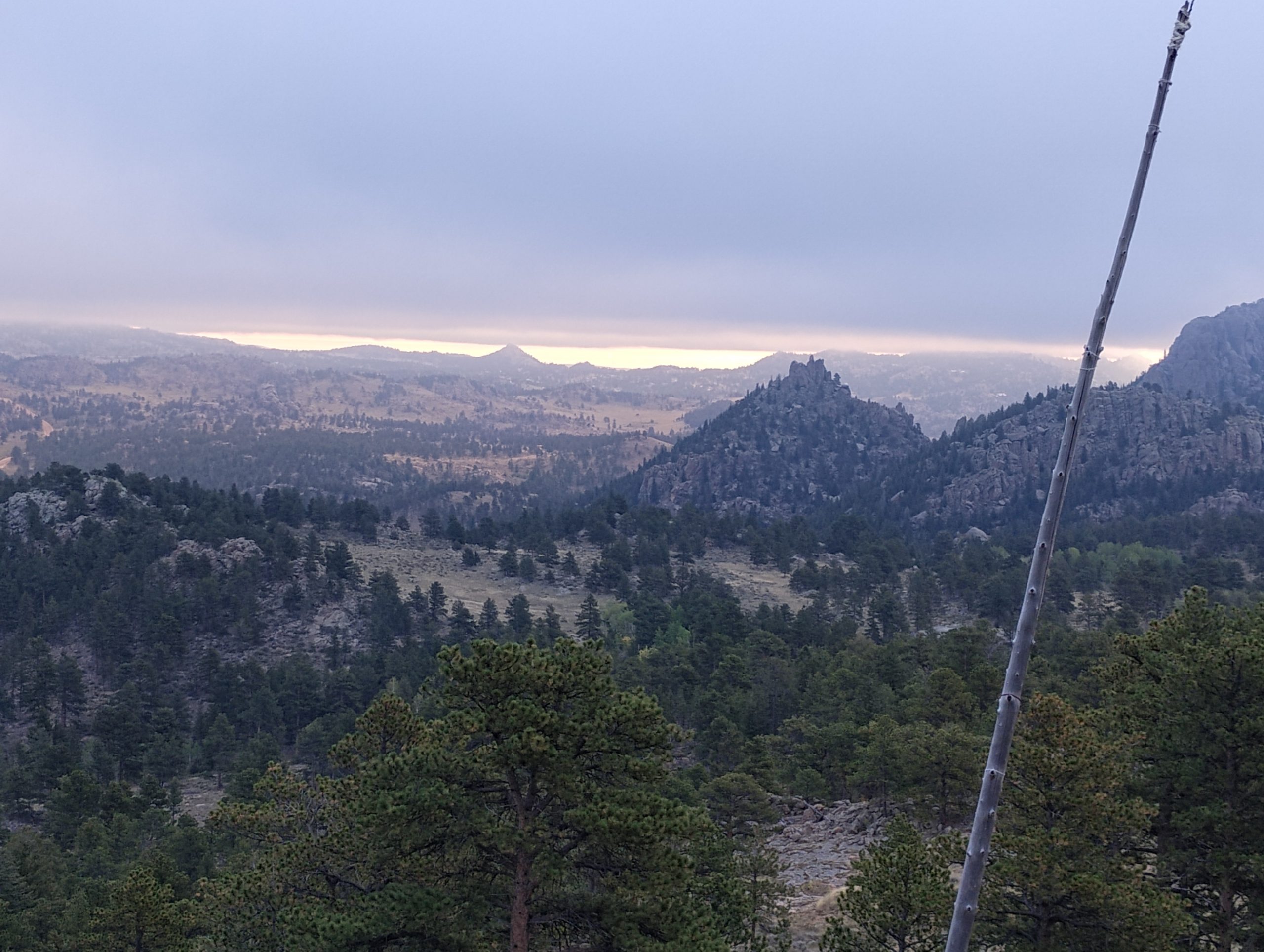 On Thursday night, we heard the story of the Golden Buddha. For hundreds of years, a Buddha statue had been covered in clay. When it was being moved, it was dropped and cracked, revealing the gold that had been underneath all along. The metaphor was simple: the gold was never missing.
In the same way, the teaching was that there is nothing we need to add in order to become whole. Instead, much of our practice consists of seeing through—or gently removing—the layers of unskillful habits, defenses, assumptions, and identities that we have accumulated, often for perfectly understandable reasons. What lies underneath is not some hidden, perfect version of ourselves. It is something much less tangible and much more immediate: awareness itself, along with the openness, emptiness, and equanimity that can emerge when we stop grasping so tightly.
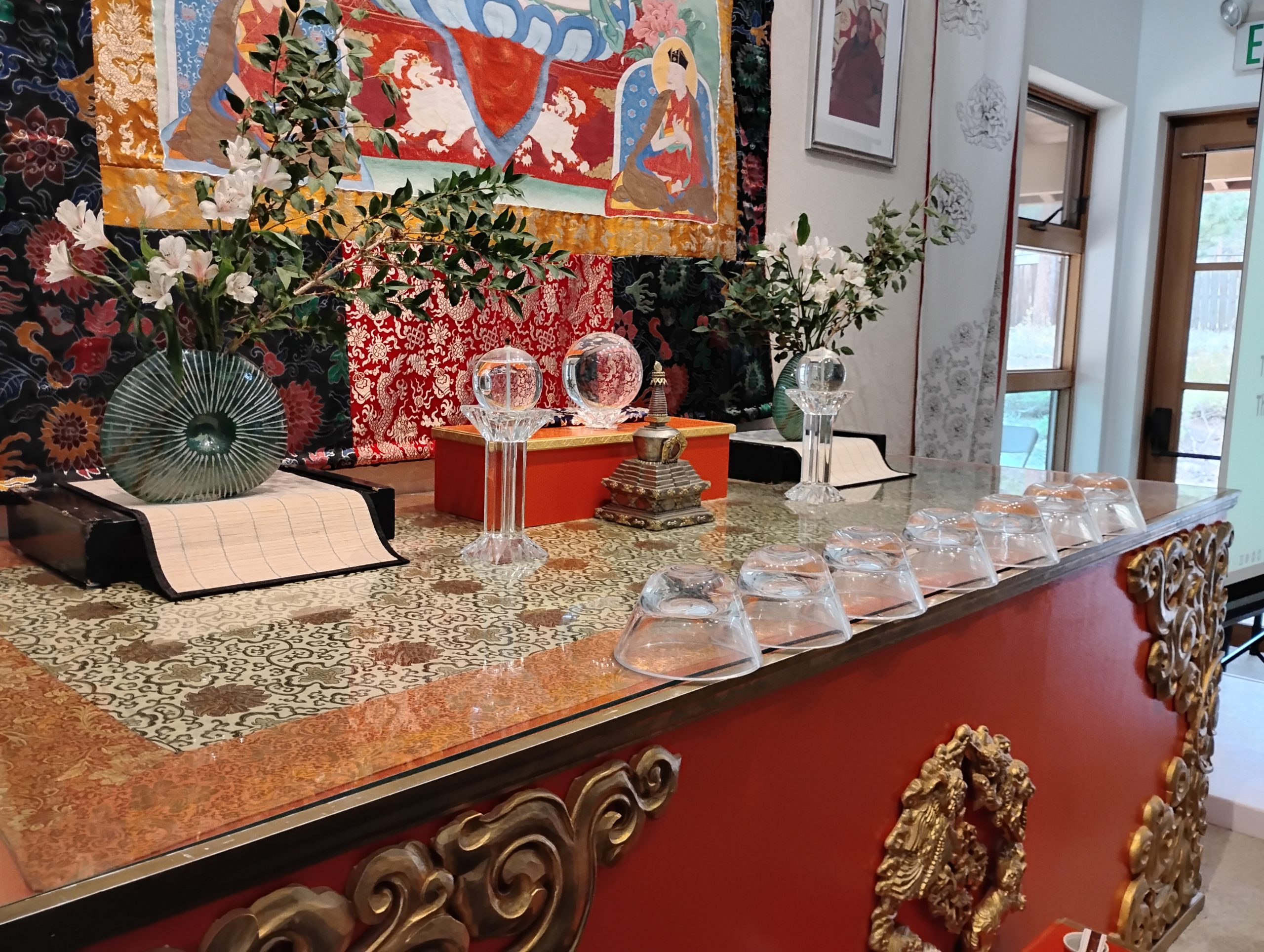
Inside Sacred Studies Hall at Drala Mountain Center
We were each given a notebook at registration, and I used mine liberally throughout the weekend. Every day began with a 7:00 a.m. meditation, followed by a morning session from 9:00–11:30 and an afternoon session from 2:00–4:30. The sessions usually included guided or silent meditation, journaling, reflections from Noah, and activities with the small groups we had been assigned on the first evening. Each group had six people, with one member serving as the “keeper” who helped facilitate discussions and activities. Noah was the teacher and organizer of both the retreat and the community, and his reflections felt more like dharma thoughts than formal talks.
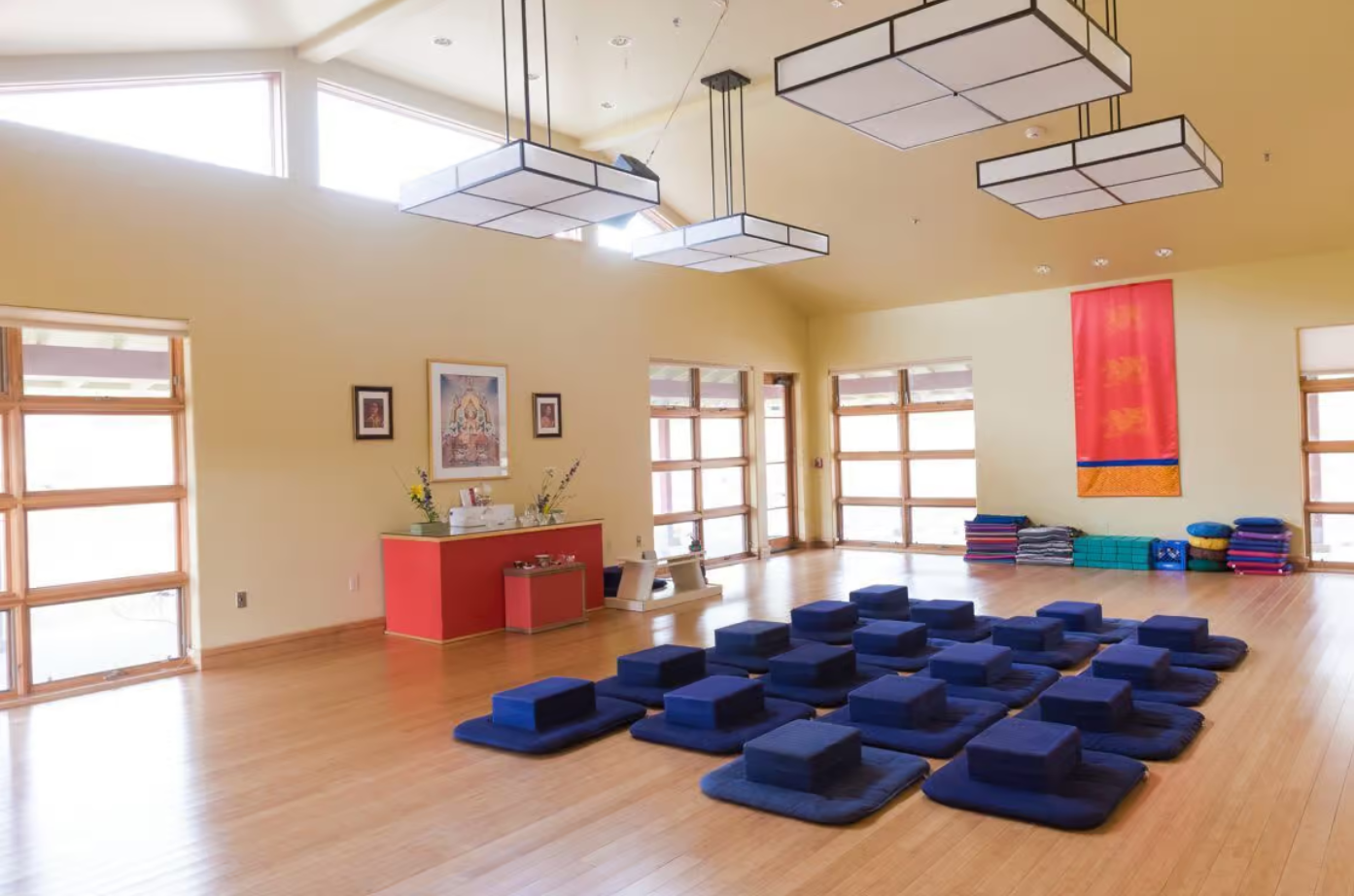
One of the meditation spaces at Drala Mountain Center. Our retreat group was larger than the setup pictured here.
Some activities stayed with me more than others.
One involved simply staring into another retreatant’s eyes for several minutes without looking away. We repeated the exercise three times. The first time, I mostly felt awkward. The second time, much of that awkwardness disappeared and was replaced by a surprisingly deep feeling of connection. By the third round, something shifted again, and I became almost comically observant: Such pretty blue eyes. Interesting blood vessels.
Another exercise was a buddy walk. For 10–15 minutes, one person talked about the image they have of themselves and the image they believe other people have of them. The other person simply listened—no response, reassurance, advice, or commentary. Then, on the walk back, we switched roles. I found that exercise especially meaningful in both directions. There was something powerful about speaking without having to manage another person’s reaction, but there was also something equally powerful about listening without preparing a response.
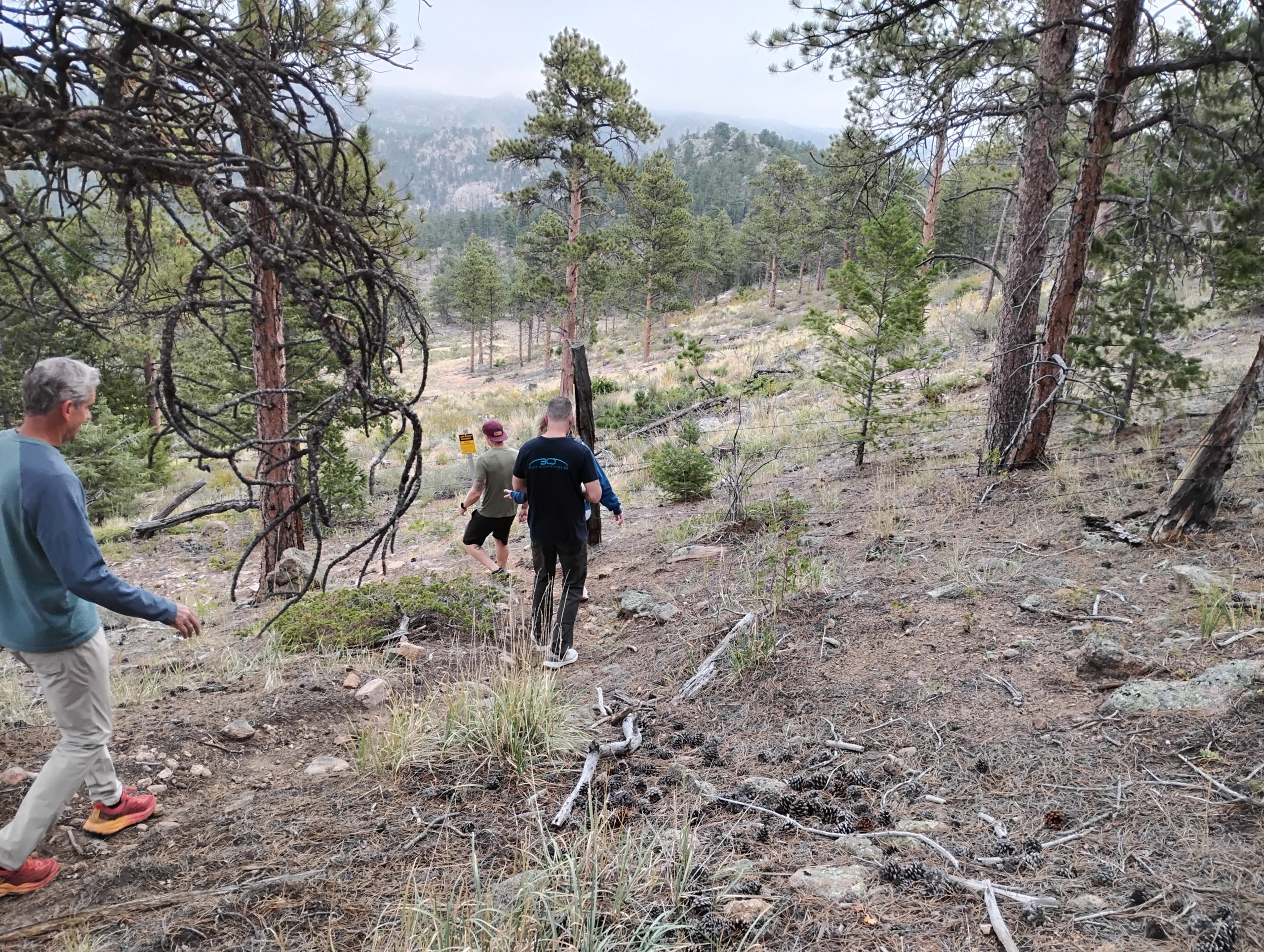
Hiking together in the mountains during the retreat.
We also did a two-hour walking meditation. I’ve practiced walking meditation quite a bit, but usually in a very structured form: choose a flat stretch of ground, perhaps 40 feet long, and walk slowly back and forth while giving complete attention to the sensations of each movement—lift, place, transfer; lift, place, transfer. At the end, turn, bow, and begin again. The walking meditation at the retreat was much more free-form, while still carrying that same intentional care and attention. During the meditation, I walked up to the stupa and spent about 20 minutes meditating inside in front of the enormous Buddha statue. Sitting there quietly in that space was something special.
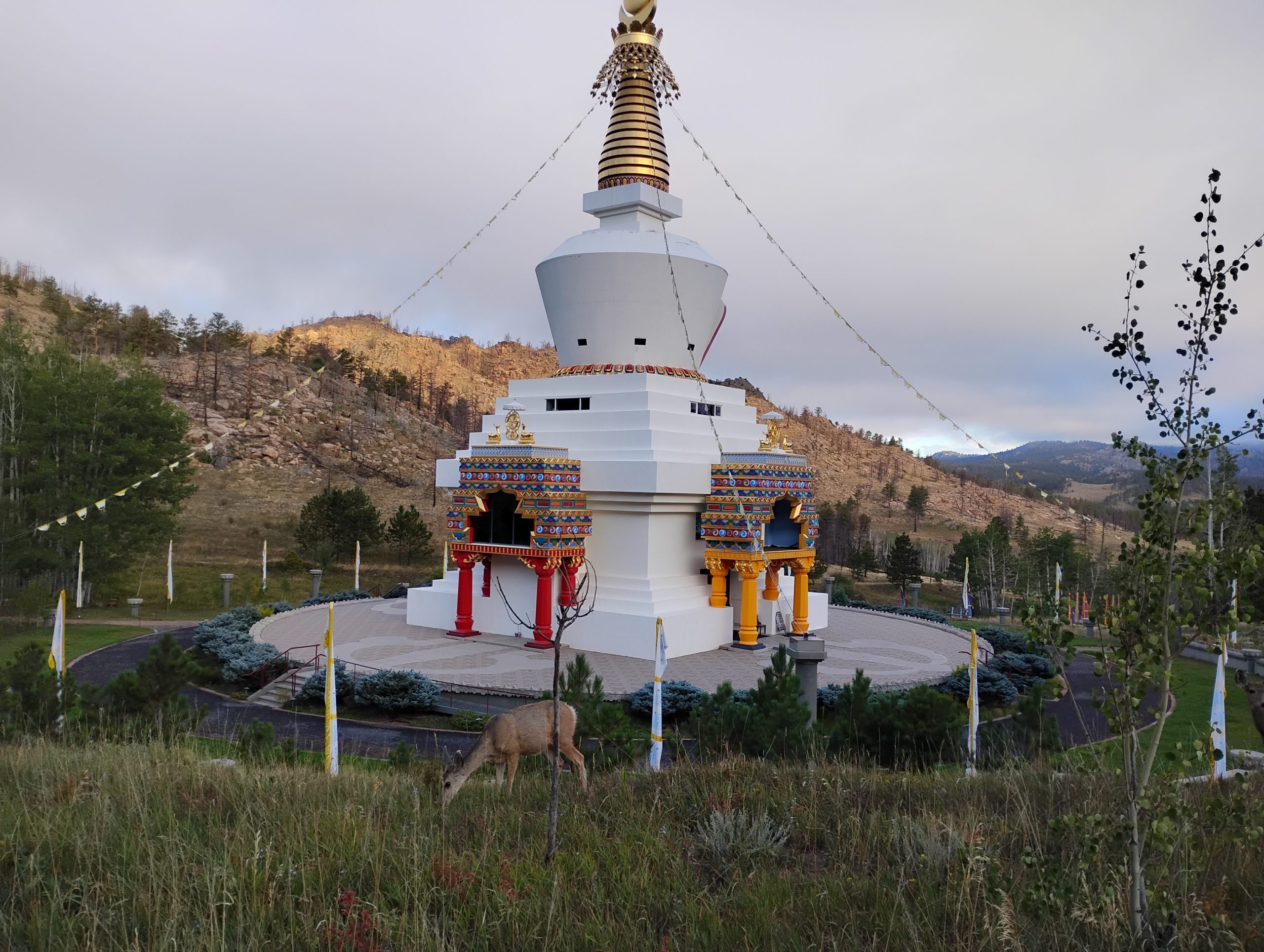
The Great Stupa of Dharmakaya at Drala Mountain Center.
One particularly memorable experience was a group chant—which, amusingly, was not originally on the schedule. I suggested it to Noah. I’ve done several different chants as part of my own practice, but always alone. Hearing and feeling one performed collectively made the practice feel completely different. It was one of those moments in which the community itself became part of the meditation.
Another group exercise asked us to share an area of our lives in which we were clinging to certainty. After speaking, we physically turned our chairs around while the rest of the group discussed what we had shared for four minutes. Then we turned back around and simply let what we had heard settle in—without defending ourselves, explaining, or responding.
Those were some of the activities that stood out most, but there were also excellent dharma reflections throughout the weekend and thoughtful sharing from the other retreatants. Noah hosted two evening Q&A sessions as well, and both were especially engaging.
Written out like this, the retreat sounds packed—and in some ways it was. That’s not even counting the half-dozen or so jogs I made back and forth to my dorm each day or the semi-spontaneous group Hatha yoga sessions we fit in along the way. But what I appreciated most was how little it felt packed. There was an underlying atmosphere of freedom and ease…
Maybe some of that was the mountain air.
Drala Mountain Center itself is difficult to separate from the experience. During orientation on the first night, one of the staff members explained what to do if we encountered a moose, mountain lion, bear, or elk. I never managed to see any of those, although I saw plenty of deer. A few times, an entire family of them was simply hanging out about 40 feet in front of my dorm, right beside the path, seemingly unconcerned by us.
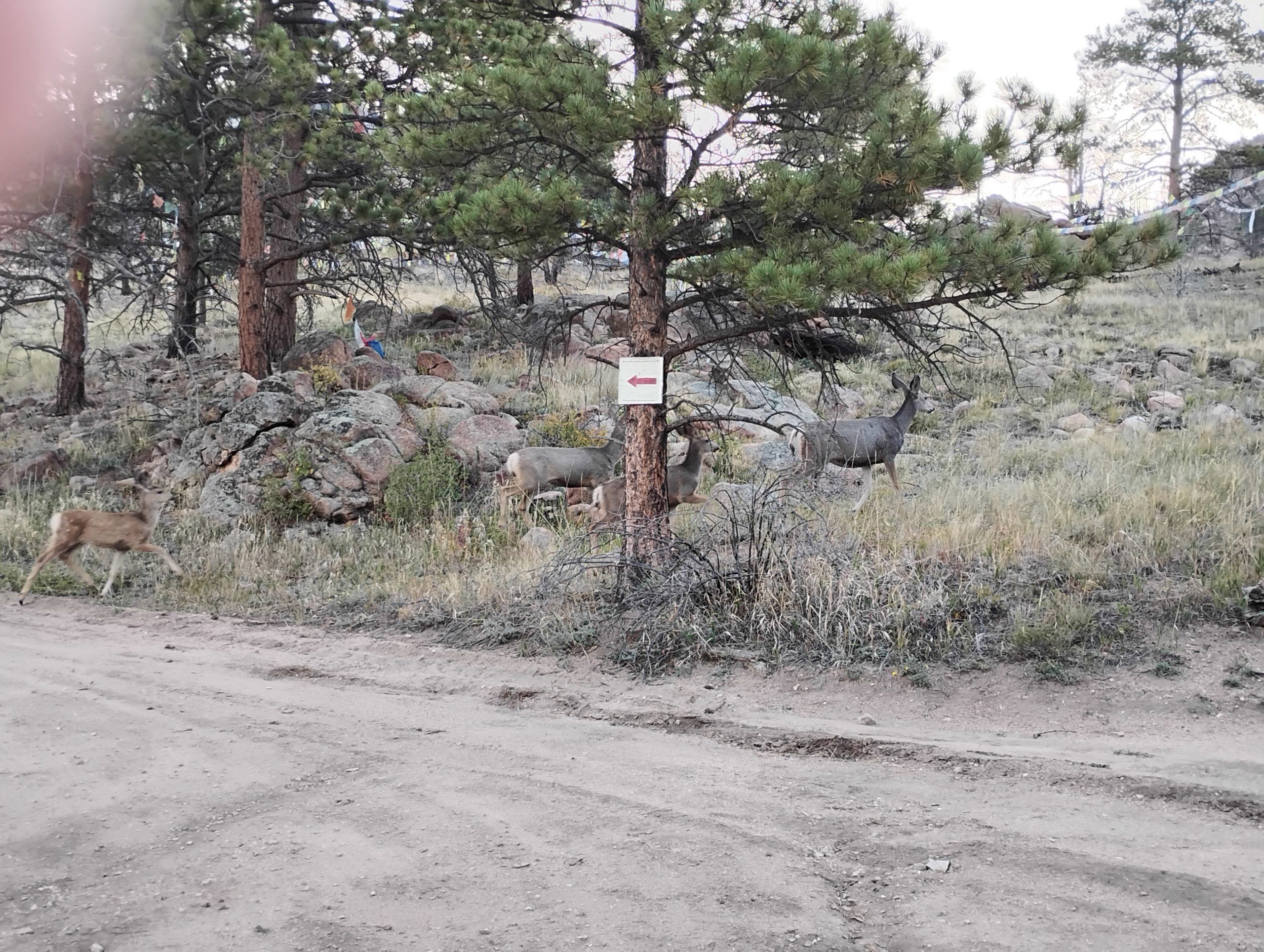
The weather was gorgeous—mostly in the 70s during the day and around 50 at night.
And the nights were extraordinary! Earth Dorm was a little over half a mile from Sacred Studies Hall, where our sessions were held, so each evening a few of us would walk back together with flashlights. We would inevitably stop or slow down just to look upward. The sky looked like a star chart. You could see everything—not only the bright stars that are easy to pick out at home, but the tiny ones filling what normally looks like empty darkness.
The food was another unexpectedly memorable part of the retreat. At every meal, the menu clearly identified what was vegan, gluten-free, and so on, so there was always something for everyone. But what mattered even more than the food itself were the meals spent around small tables, sharing stories with people whose journeys and struggles often felt remarkably familiar. Those meals gave me something I don’t often experience at that intensity: sangha, a community of shared practice. That may ultimately be what I will remember most.
For a retreat built around the idea that nothing is missing, there was something fitting about discovering that the most meaningful moments were not dramatic revelations. They were simple experiences of presence: listening to someone without responding, looking into another person’s eyes, chanting together, walking beneath an enormous night sky, sitting around a table sharing stories, or simply being quiet together.
On the final day, each of us made a commitment about how we wanted to carry something from the retreat back into ordinary life. We paired with a buddy, shared our commitments, exchanged phone numbers, and chose a date about a month later to check in with one another. I like that the retreat ended that way.
“Already whole” does not mean there is nothing to practice, nothing to change, or nothing to learn. For me, it came to mean something closer to this: practice is not a project of constructing a better self from missing pieces. It is learning to notice what is already here beneath all the noise, grasping, certainty, and accumulated clay.
And sometimes, other people help us see the gold.
All in all, the retreat was deeply rejuvenating, and I fully intend to return next year.
Namaste.
Thank you for sharing your reflection on the retreat. Even thought it was only a week ago, some of the wonderful experiences had already slipped from my mind and you brought them back to me. It was truly a beautiful experience that I’m grateful for as well. I’m hopeful we both make it back next year!
Wonderfully said, Dan. You caught the details of the retreat so well.